


A High-Altitude Driving Guide for Your New Land Rover
A High-Altitude Driving Guide for Your New Land Rover
Broomfield sits at 5,344 feet above sea level, and the Rocky Mountain passes you reach on a weekend drive push that number well past 11,000. Not a problem for a new Land Rover model. Land Rover Flatirons put together this guide because your Land Rover model performs differently at altitude, and knowing what changes keeps you in control from the Front Range to the high country. The engine, the brakes, and a few pre-drive habits are where that preparation starts.
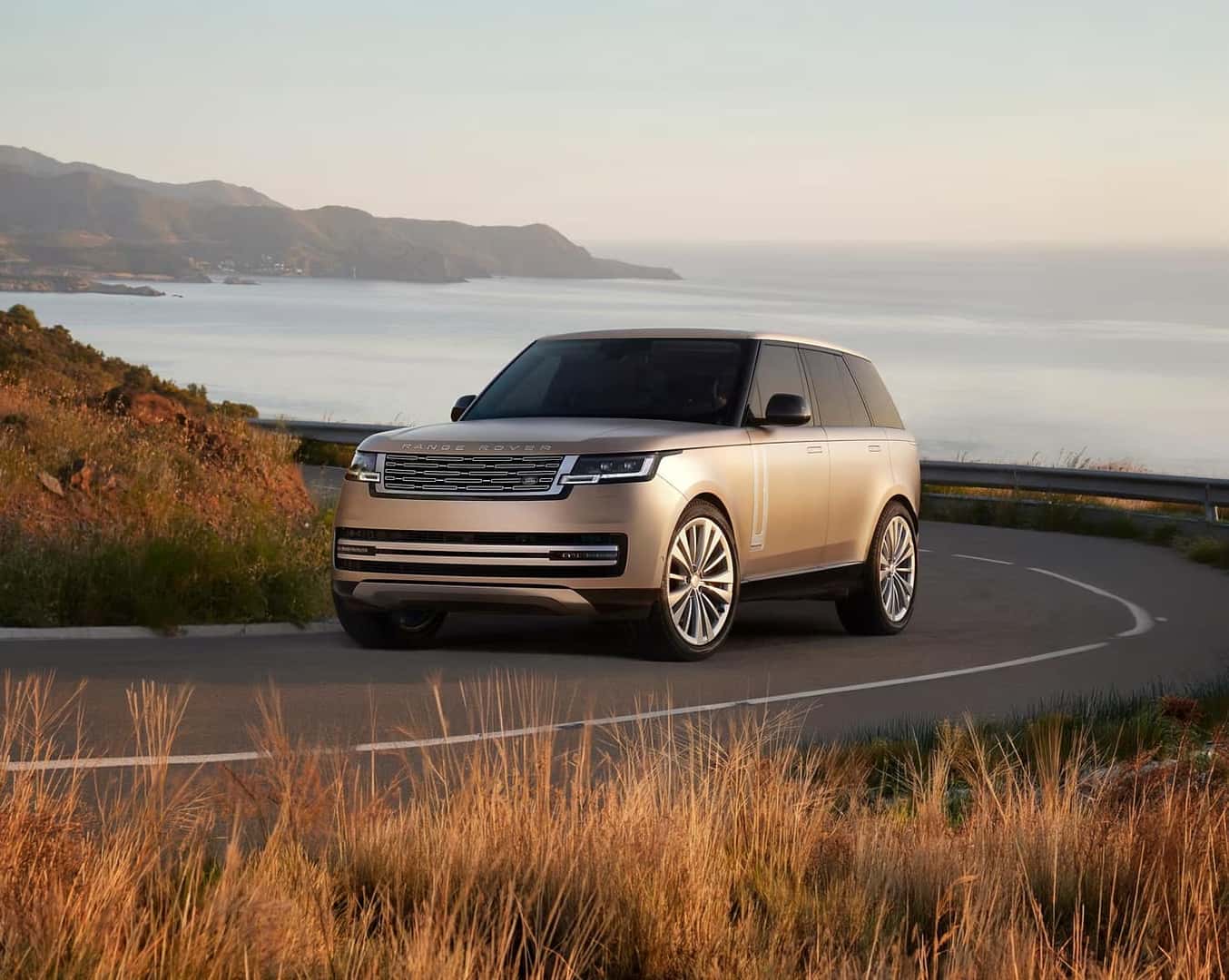
What Altitude Does to Your Engine
The higher you climb, the less oxygen the air carries, and less oxygen means less efficient combustion. At the Eisenhower Tunnel on I-70, elevation 11,158 feet, your engine operates on roughly 67% of the oxygen available at sea level. Turbocharged engines handle this better than naturally aspirated ones because a turbocharger forces air into the combustion chamber regardless of ambient pressure. Keep your Land Rover air filter clean: at altitude, your engine works harder for every bit of airflow it gets, and a restricted filter compounds that strain quickly.
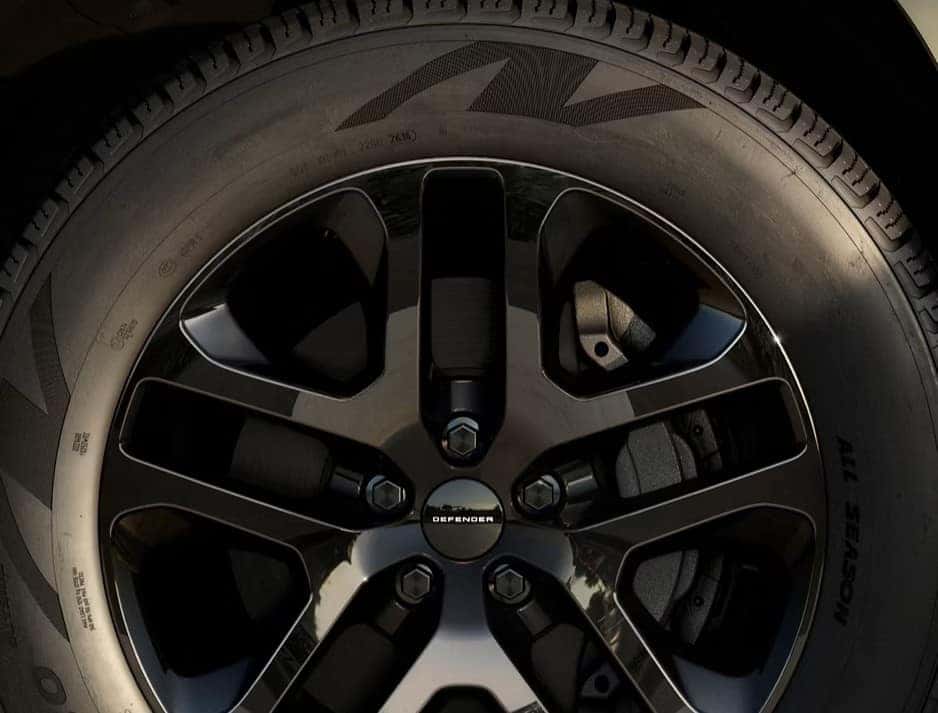
Keeping Your Brakes Safe on Long Descents
Shift into a lower gear before a steep descent and let the engine slow the vehicle rather than riding the brakes. Engine braking keeps brake temperature in check through long grades like the I-70 corridor below Vail Pass, where mountain roads wear brake pads far faster than flat driving ever does. Thin air at altitude also makes it harder for your brakes to shed heat after repeated use. When you see a marked pullout along a descent, use it; those stops are built for brake cooling, not scenery.
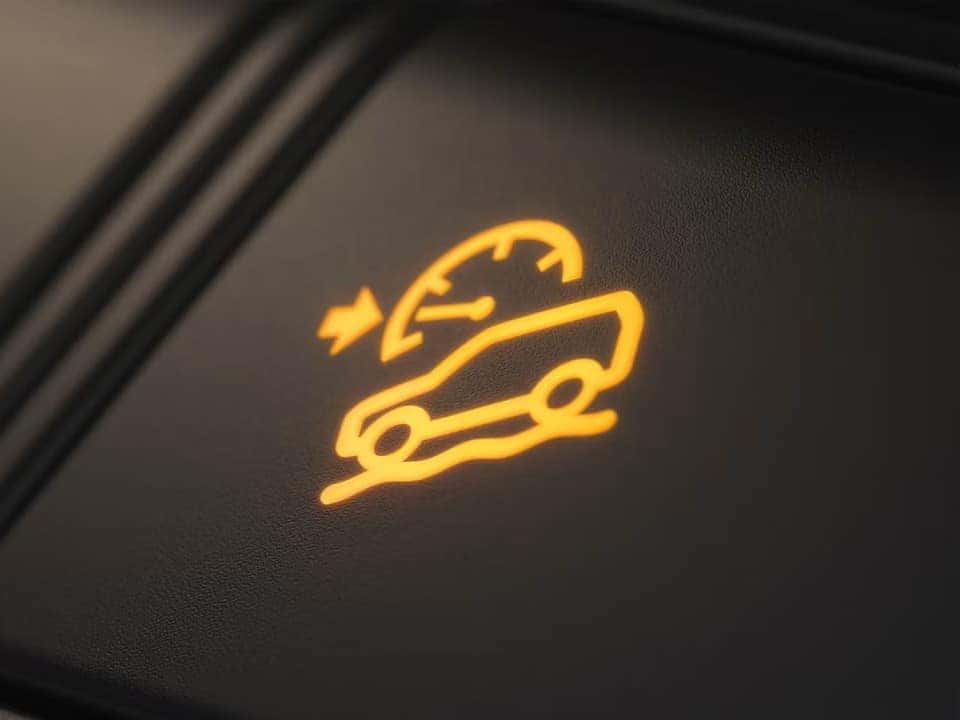
Four Pre-Drive Checks Worth Making
Checking your coolant level, tire pressure, brake pads, and air filter before a high-altitude drive prevents small problems from turning into roadside emergencies at 10,000 feet. Tire pressure drops as temperatures fall with elevation, and even a few PSI changes how your vehicle responds. A healthy cooling system is critical because thin air pulls heat from a working engine less efficiently than dense air does. Terrain Response® reads the surface and adjusts torque distribution continuously, so the stronger your mechanical baseline going in, the more effectively that system can work.

Find Your New Land Rover at Land Rover Flatirons
Every route above the Front Range asks more of your vehicle than city streets do, and getting out there confidently starts with choosing the right one. Our Land Rover dealership serving Broomfield, Westminster, and the greater Denver, CO area helps you find a new Land Rover suited to Colorado roads and trails. Contact Land Rover Flatirons to talk through your options and ask about Land Rover financing that fits your plan.
